Source Mobile Phone Camera Tripod for DSLR, Smartphone, GoPro
Source 30 mobile phone camera tripod options from verified suppliers. Compare flexible, mini, and professional models with aluminum construction, varying load capacities, and customization availability for digital cameras and smartphones; compare the available evidence and request quotations based on your requirements.
Key considerations
Products List

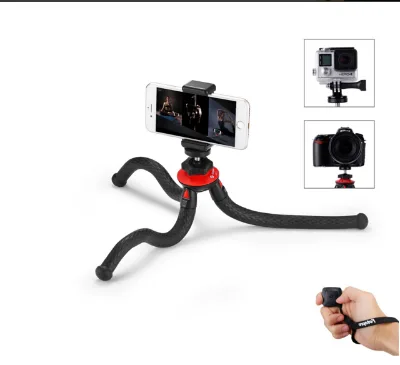


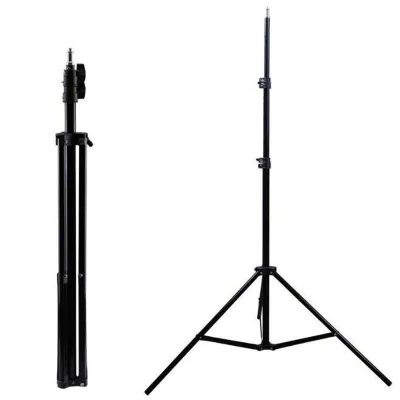
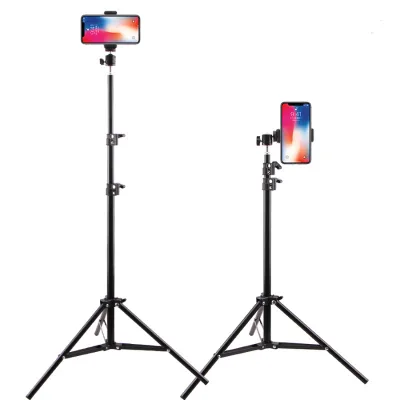

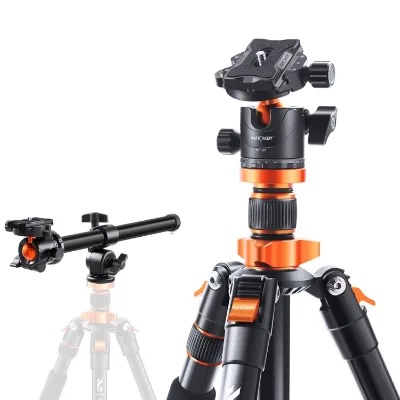
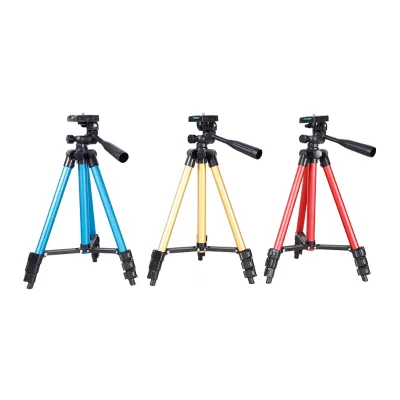
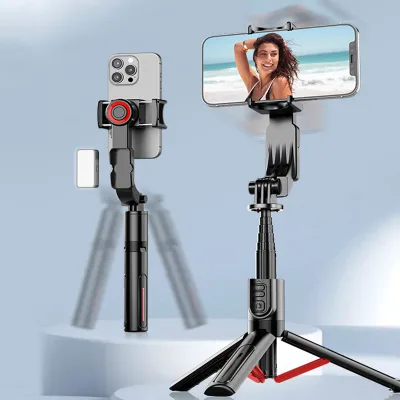
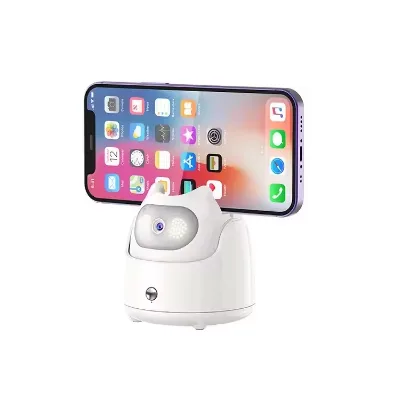
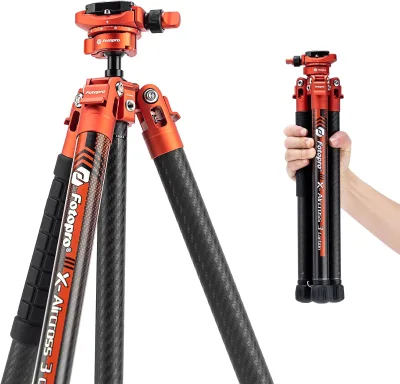


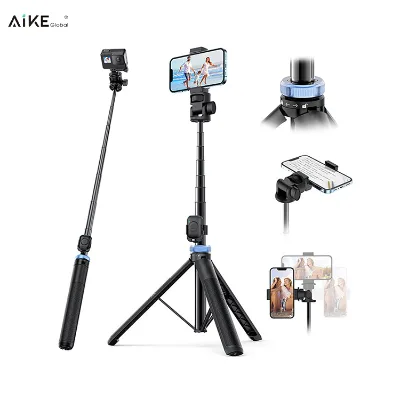

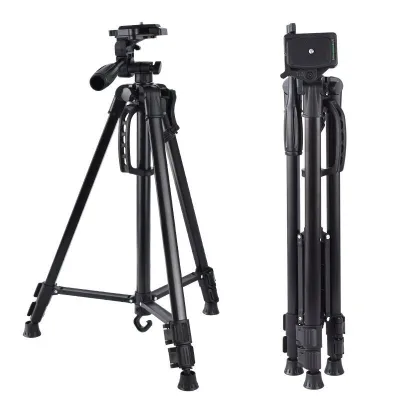
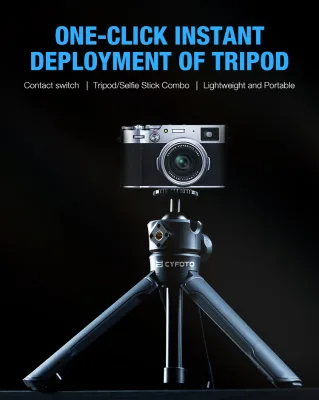
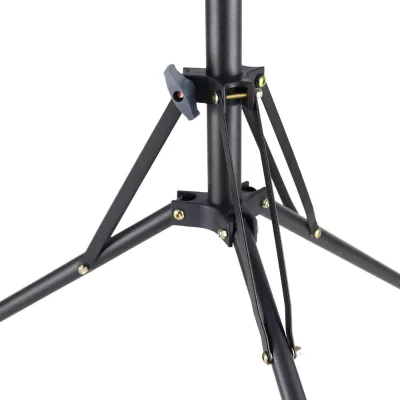

Comprehensive Sourcing Guide
Mobile Phone Camera Tripod Sourcing Guide
Sourcing flexible and professional tripods for mobile devices requires balancing portability with structural stability. Buyers must distinguish between mini table tripods designed for smartphones and heavier-duty units capable of supporting DSLR cameras or GoPros. The market offers various configurations, including aluminum alloy constructions and flexible leg designs that adapt to uneven surfaces. Understanding these distinctions is critical for selecting the right product for specific use cases, whether for content creation, live streaming, or professional photography.
Procurement decisions should also account for customization capabilities and branding opportunities. Many suppliers offer OEM services, allowing buyers to tailor colors, packaging, and even structural features to match their brand identity. This flexibility is particularly valuable for retailers looking to differentiate their product lines. However, customization often introduces complexities in lead times and minimum order quantities, which must be carefully managed to align with inventory goals and market launch schedules.
Product Scope and Observed Listing Signals
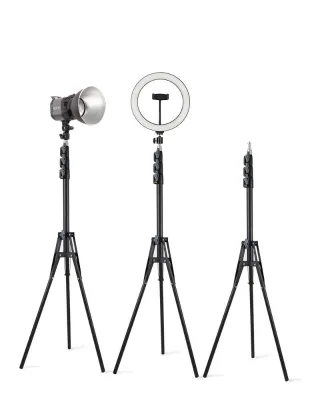
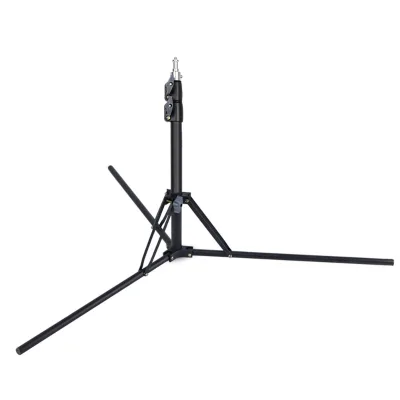
The current market landscape for mobile phone tripods includes a wide range of product types, from ultra-portable mini tripods to robust professional models. Listings frequently highlight features such as flexible legs, aluminum construction, and compatibility with various devices including smartphones, digital cameras, and action cameras. Buyers should observe that gross weights can vary significantly, with some units weighing around 1320g while others are much lighter, indicating differences in material density and structural design.
Observed listing signals also reveal diverse color options and packaging methods. Products are available in black, red, white, pink, and blue variants, often packaged in cartons or EPE foam for protection. The presence of keywords like "DSLR tripod" alongside "smartphone" suggests that many products are versatile, supporting multiple device types. Buyers should verify these claims by examining specific product attributes, such as leg sections and extended lengths, to ensure the tripod meets their physical space and stability requirements.
Technical Specifications to Verify
When evaluating technical specifications, buyers must prioritize load capacity and material integrity. Many tripods advertise a maximum load capacity of 1.5kg, which is suitable for most smartphones and lightweight cameras but may be insufficient for heavier professional equipment. It is essential to verify the actual material composition, as some listings mention aluminum or metal construction, while others use vague terms like "other." Confirming the material ensures durability and resistance to corrosion, especially for products intended for outdoor use.
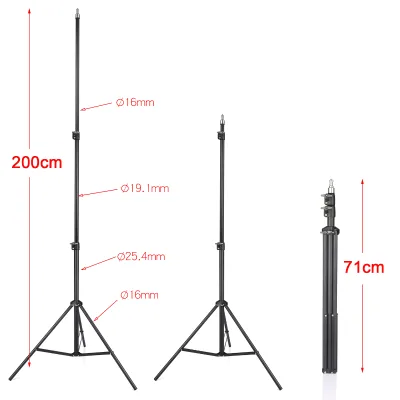
Additional technical details include folded length, extended length, and leg section count. Products with a folded length of 285mm and an extended length of 52mm offer compact storage but may have limited height adjustment. Buyers should also check the tripod lock type and surface treatment, such as anodizing or powder coating, which affect grip and longevity. Verifying these specifications helps prevent mismatches between product expectations and actual performance, ensuring the tripod provides the necessary stability and convenience for end-users.
Compliance and Safety Documentation
Compliance with international standards is crucial for importing tripods into regulated markets. Buyers should verify that suppliers adhere to relevant safety and quality standards, such as GB or EN standards, which may apply to mechanical stability and material safety. Some suppliers may also provide SGS certification, indicating that the product has undergone third-party testing for quality assurance. However, buyers must confirm the scope of these certifications to ensure they cover the specific product attributes and intended use cases.
Documentation should also include detailed product specifications and testing reports that validate the claimed load capacity and durability. Buyers should request evidence of stress testing, particularly for flexible tripods, to ensure the legs can withstand repeated bending without breaking. Additionally, verifying the scrap rate and tolerance levels, such as +/- 0.02mm, can provide insights into the manufacturer's quality control processes. Ensuring comprehensive documentation helps mitigate risks associated with product failures and regulatory non-compliance.
Cost Drivers and Commercial Terms
Cost drivers for mobile phone tripods include material costs, manufacturing complexity, and customization requirements. Aluminum and metal components typically cost more than plastic alternatives, while CNC milling and anodizing processes add to production expenses. Buyers should also consider the impact of customization on pricing, as tailored colors, packaging, and branding often incur additional fees. Understanding these cost factors helps in negotiating competitive prices and avoiding unexpected charges during the procurement process.
Commercial terms such as MOQ, lead time, and payment conditions significantly influence procurement strategy. Suppliers may require MOQs of 100 pieces or more, with lead times ranging from 10 to 25 days depending on order size and customization level. Buyers should align these terms with their inventory planning and cash flow requirements. Clear communication regarding production schedules and quality checks can help prevent delays and ensure timely delivery, maintaining supply chain efficiency and customer satisfaction.
Supplier Qualification and Quality Control
Supplier qualification involves assessing manufacturing capabilities, quality control systems, and past performance. Buyers should verify that suppliers have experience in producing tripods with specific features, such as flexible legs or professional-grade stability. Checking for certifications like SGS and reviewing production types, such as mass production, can indicate the supplier's capacity and reliability. Additionally, evaluating the supplier's location, such as Guangdong, China, may provide insights into their supply chain efficiency and access to raw materials.
Quality control measures should include rigorous inspection processes to ensure product consistency and durability. Buyers should inquire about tolerance levels, scrap rates, and finishing processes like polishing or powder coating. Requesting samples before placing large orders allows for physical verification of quality and functionality. Establishing clear quality expectations and communication channels with suppliers helps maintain product standards and reduces the risk of receiving defective goods, ensuring a positive end-user experience.
Long-Term Procurement Checks
Long-term procurement success depends on continuous monitoring of supplier performance and market trends. Buyers should regularly review supplier delivery times, product quality, and responsiveness to issues. Establishing key performance indicators (KPIs) for quality and service can help identify potential problems early and facilitate corrective actions. Additionally, staying informed about industry developments, such as new materials or design innovations, can help buyers remain competitive and meet evolving customer demands.
Building strong relationships with suppliers through consistent communication and fair business practices fosters trust and collaboration. Buyers should consider developing long-term contracts with reliable suppliers to secure favorable pricing and priority production slots. Regular audits and feedback sessions can further strengthen these partnerships, ensuring mutual growth and success. By focusing on long-term strategic planning, buyers can mitigate risks and capitalize on opportunities in the dynamic mobile phone tripod market.
FAQs
What materials are used for the mobile phone camera tripod?
The mobile phone camera tripod is constructed from aluminum and metal materials to ensure durability. It features a flexible design suitable for digital cameras and smartphones. The product is new and available in black, red, white, pink, and blue colors for various user preferences.
Can the tripod support heavy camera equipment?
Yes, the tripod can support a maximum load of 1.5 kilograms effectively. It is designed for use with digital cameras, smartphones, and GoPro devices. The stable structure ensures safety during operation while maintaining a lightweight profile for portability.
Which customization options are available for this tripod?
Customization is available for this mobile phone camera tripod to meet specific buyer requirements. The product originates from Guangdong, China, and supports mass production. Buyers can request specific finishes like anodizing or powder coating to match their branding needs.
How long is the lead time for production?
The standard lead time for production ranges from 10 to 25 days depending on order specifics. Some items require 20 to 25 days while others may be ready in 10 to 15 days. This timeline accounts for CNC milling and surface treatment processes.
What is the minimum order quantity for this product?
The minimum order quantity is 100 pieces for this mobile phone camera tripod. However, some listings allow orders starting from just one unit. Buyers should verify specific supplier requirements as the MOQ can vary between single items and bulk orders of 1000 units.
Where is the product manufactured and what is the origin?
The product is manufactured in China, specifically in Shenzhen and Guangdong regions. It is a new item with a gross weight of 1320 grams. The origin location ensures compliance with GB and EN standards for quality assurance.
What are the dimensions when the tripod is folded?
When folded, the tripod has a length of 285 millimeters and a single package size of XX centimeters. The extended length reaches 52 millimeters. These compact dimensions make it highly portable and suitable for travel photography with smartphones.